

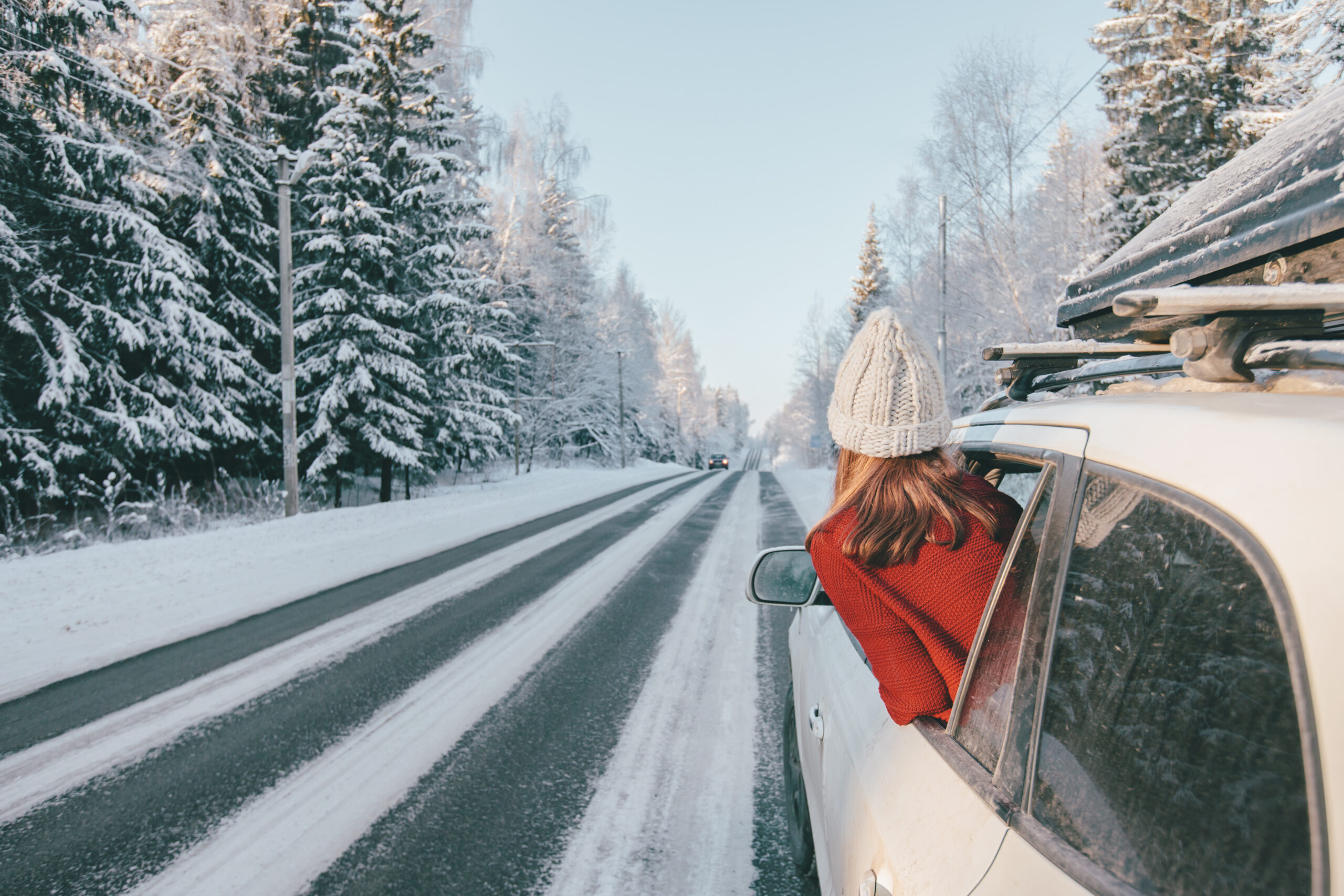
There’s plenty to enjoy about winter—cozy nights, holiday lights, and the first snowfall of the season. But once you’re behind the wheel, winter weather can turn even the most familiar routes into risky territory. In fact, winter driving brings a unique set of challenges, from freezing temperatures to reduced visibility, that can catch drivers off guard if they’re not prepared. Let’s take a closer look at five winter driving hazards you might not expect, and how to stay safe when temperatures drop.
Black Ice on Bridges and Overpasses
One of the most dangerous winter driving hazards is also one of the hardest to see. Black ice forms when moisture freezes into a thin, transparent layer on the road, often blending in with the pavement. Bridges, overpasses, and shaded areas tend to freeze first because cold air circulates above and below the roadway. Even when surrounding roads seem clear, these spots can be dangerously slick. If temperatures are near or below freezing, slow down and avoid sudden steering, braking, or acceleration—especially when crossing bridges or elevated roadways.
Reduced Tire Pressure in Cold Weather
Cold temperatures don’t just affect the road—they affect your vehicle too. As the air temperature drops, so does your tire pressure. Underinflated tires can reduce traction, increase stopping distance, and cause uneven wear over time. Check your tire pressure regularly throughout the winter and inflate tires to the manufacturer’s recommended level. Proper tire pressure improves handling and helps your vehicle respond more predictably on icy roads.
Snow-Covered Road Markings
After a snowfall, lane lines, shoulder markers, and even curbs can disappear under layers of snow and slush. This can make it harder to judge lane position, spot turn lanes, or avoid road edges. In fact, approximately 24 percent of weather-related vehicle crashes occur on snowy, slushy, or icy pavements each year. It’s best to drive cautiously, follow the tracks of vehicles ahead when visibility is low, and slow down on unfamiliar roads where markings may be harder to spot.
Slush and Refreezing Conditions
Snow can melt into slush during warmer daytime hours, only to refreeze overnight as temperatures drop again. This freeze-thaw cycle can create uneven, slippery surfaces that reduce control and increase stopping distance. Leave extra space between vehicles and be especially cautious during early morning and evening hours when refreezing is most likely.
Limited Visibility from Snow and Salt Spray
Slush, salt, and road spray from other vehicles can quickly coat your windshield and headlights, reducing visibility in seconds. Make sure your windshield washer fluid is rated for freezing temperatures and clear snow and ice from your entire vehicle before driving.
Before You Hit the Road This Winter
Winter driving demands extra awareness, patience, and preparation. From icy bridges to reduced visibility, conditions can change quickly. Preparing your vehicle and reviewing your auto insurance options can help you feel confident and protected all season long. Start exploring auto insurance options and get a personalized quote today!